Multiple Variants vs Multiple Products
Client:
Mercado Libre
Scope:
Product Design, Leadership
Year:
2024
Summary
Leading a top priority business bet to unify stock management across retail locations, distribution centers, warehouses, and third-party payment providers. My role was to coordinate the cross teams that made possible to design and ship the first version of a product where sellers could create and assign capabilities to multiple locations.
Project
Context
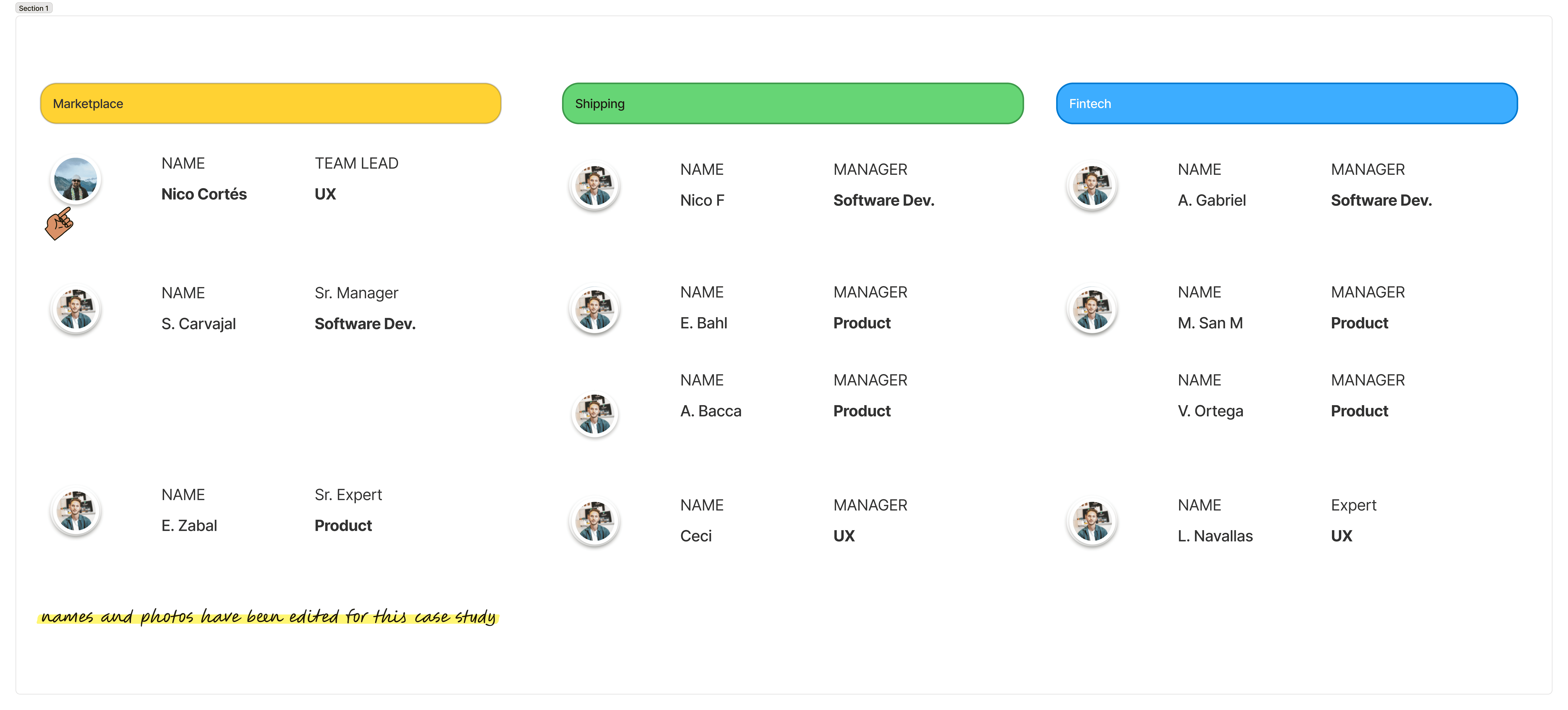
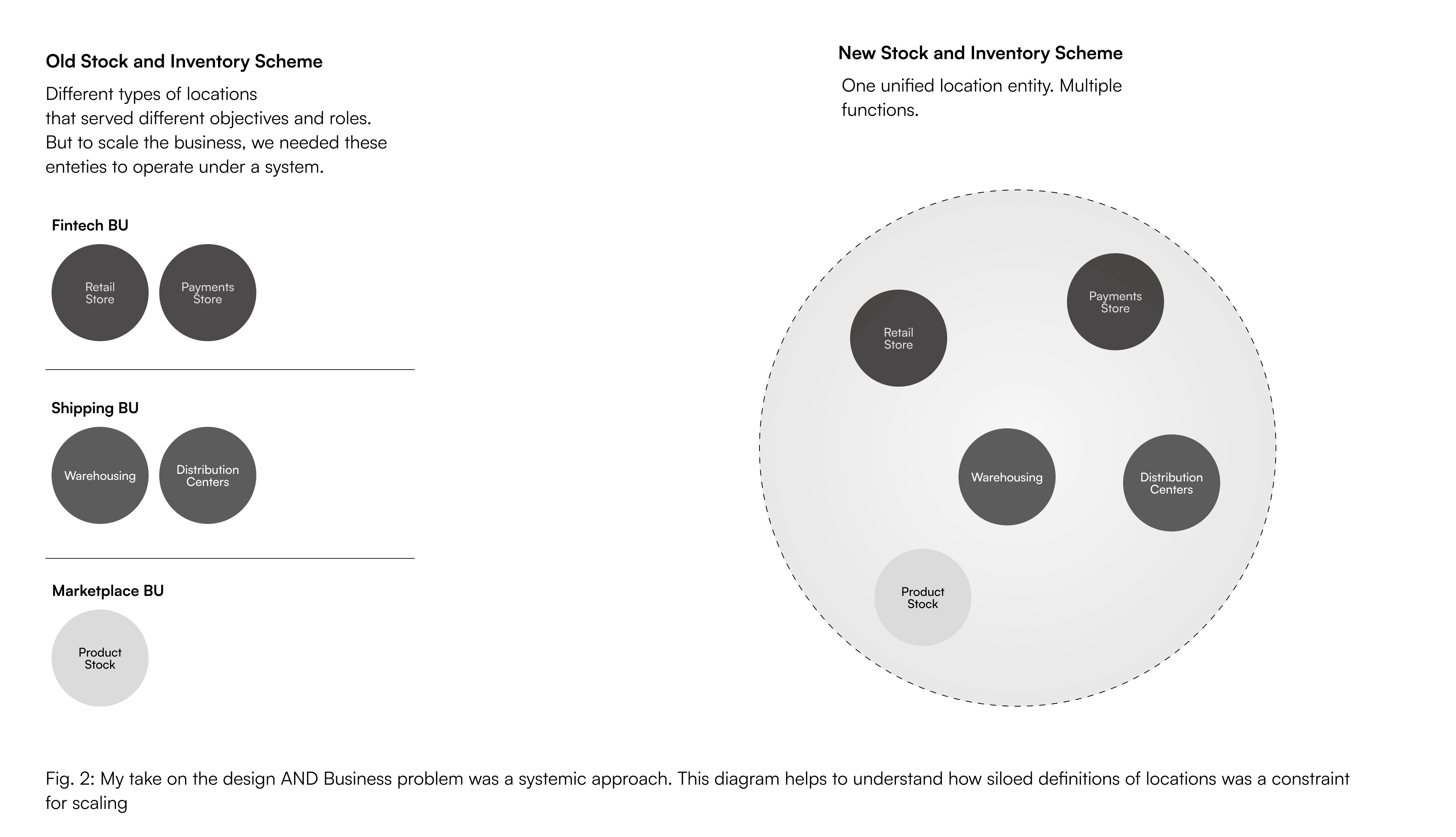
Mercado Libre has three massive business units: Marketplace, Shipping, and Payments. While they operate within a complex eco system, each runs its own product, design, and engineering team (roughly 500 to 1,000 people each). The business bet was to bring CPG partners in major countries into the Mercado Libre ecosystem, so we needed to support their networks of physical stores. The value prop was delivery in minutes was the goal. But that required a capability that didn't exist: multi-location inventory management that cuts across all three BUs.
Design Approach:
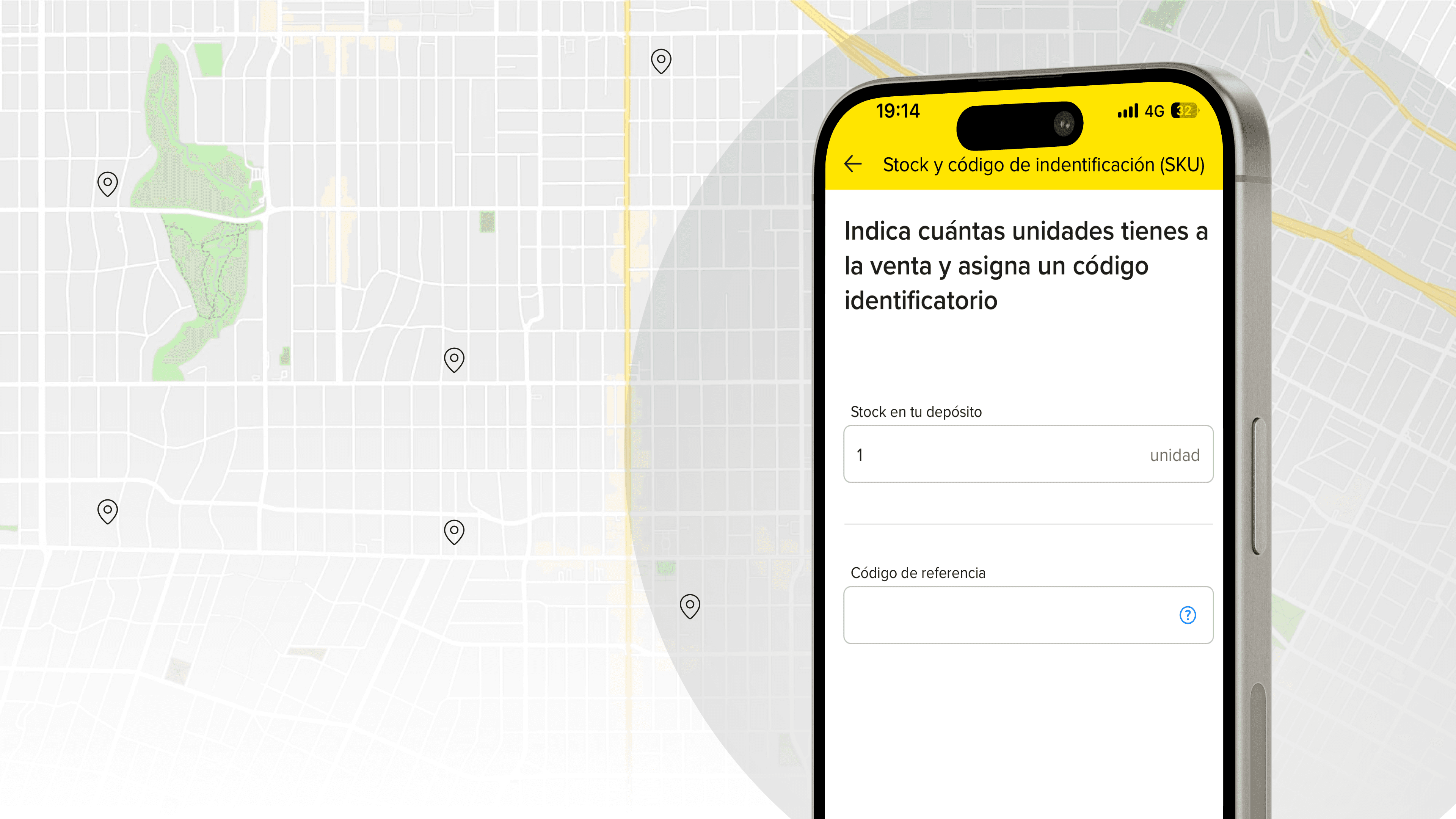
Multi-location introduced a systems dilemma: you can't assign inventory without locations, but you can't ask sellers to configure locations before they've listed anything. Define the stores first, or the products first?
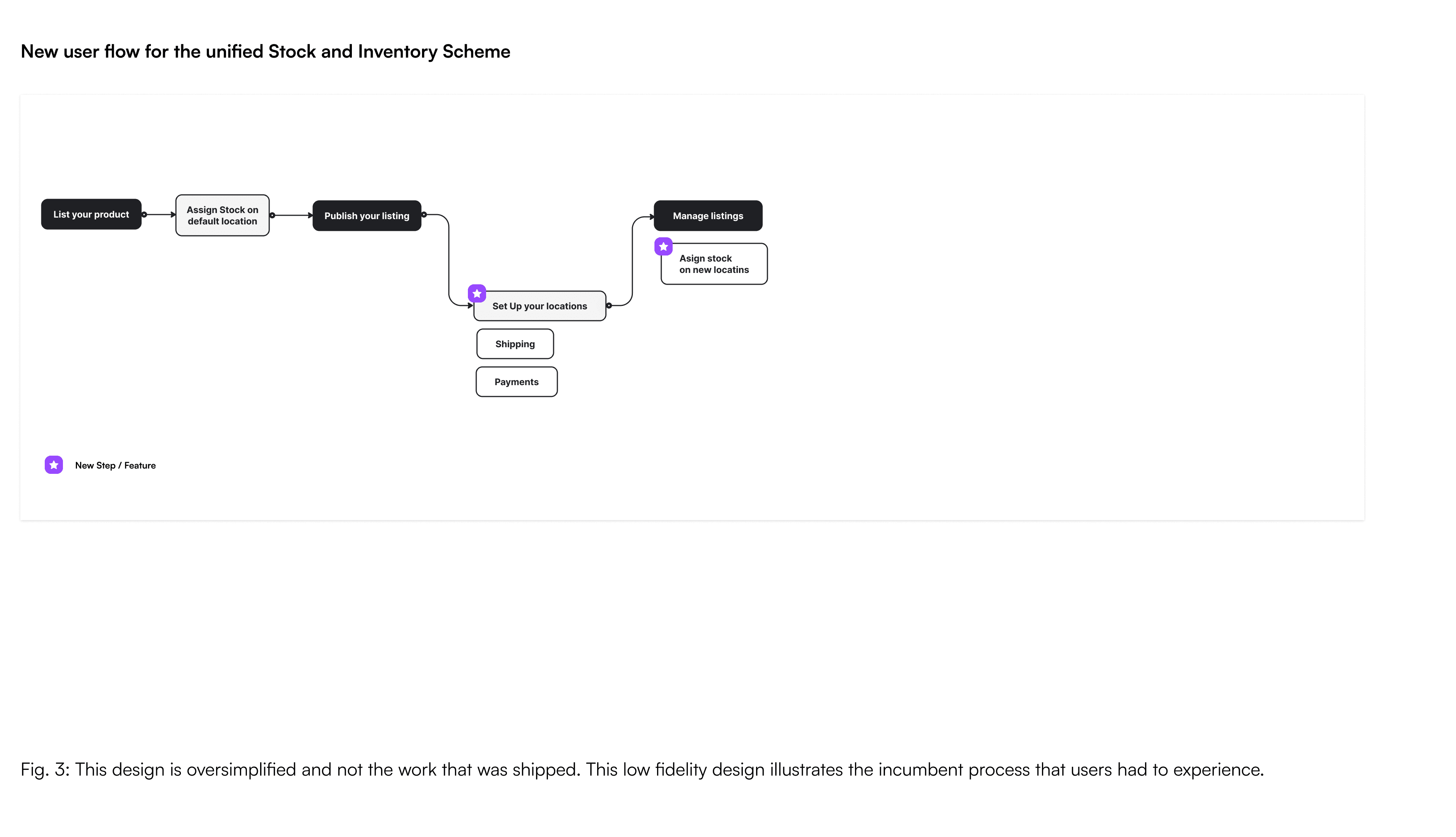
We chose listing-first. Sellers already had a familiar way of operating: they know their catalog. Forcing location setup upfront would have broken that model and added friction before any value was delivered. Instead, we layered complexity progressively: start with what sellers already know, then expand into the new paradigm. The flow we designed reflected that decision:
Create listing: anchored to the default location sellers already had
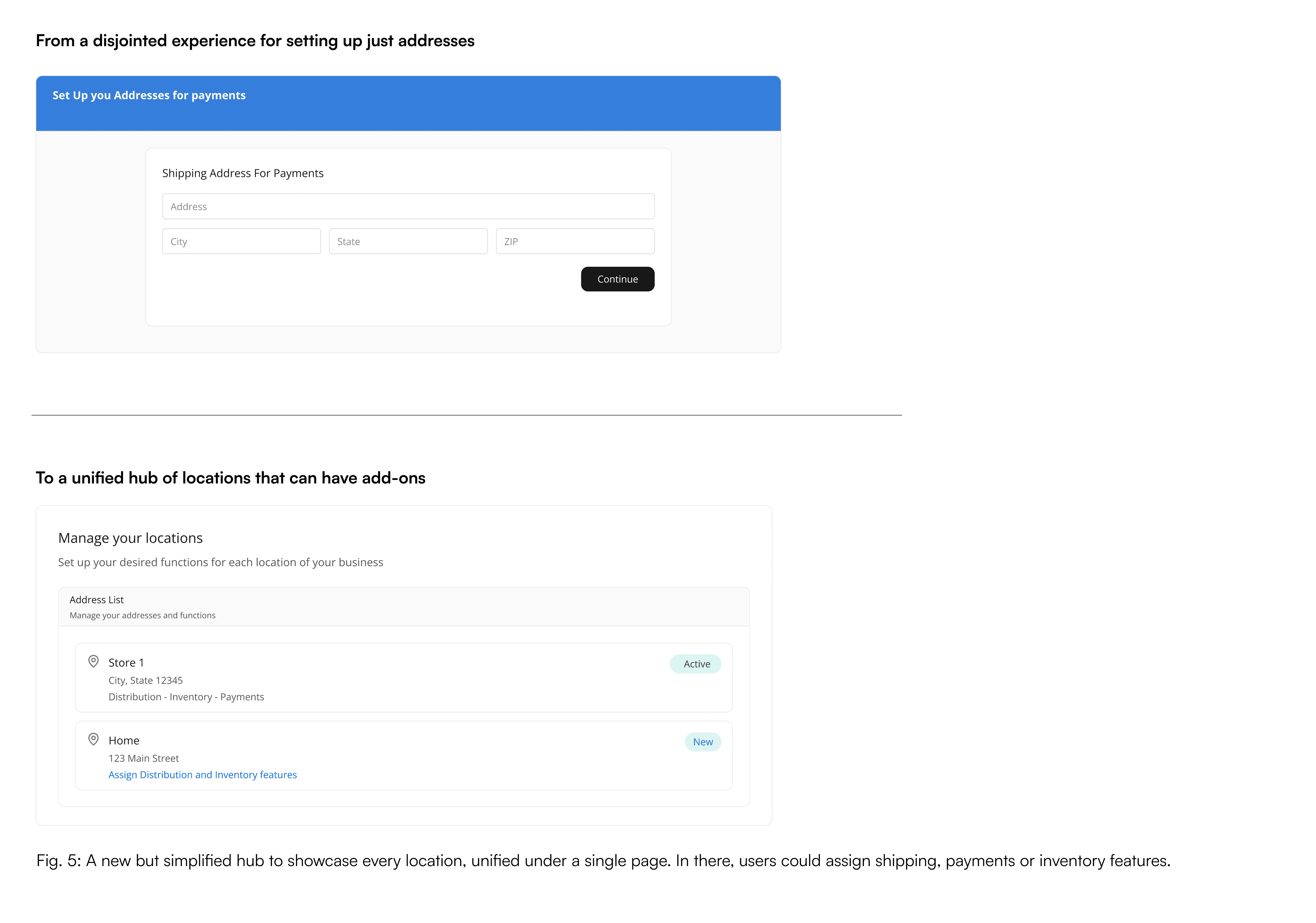
Set up additional locations and assign capabilities
Connect delivery and payment processing per location
Manage alerts and updates across BUs from a single surface
The core product itself was deliberately minimal: a location dashboard showing each physical location and which services (shipping, payments, inventory sync) had been activated.
Product Outcomes
Successfully onboarded 8 sellers in the pilot phase with zero major experience issues or complaints before broader rollout.
Shipping and Fintech both reported growth in payment processing and delivery performance from opted-in locations.
Most significantly: unified three previously siloed business units into one coherent seller experience, establishing a replicable pattern for future cross-BU initiatives at Mercado Libre scale.